
Janna Saarela succeeds Oliver Billker as new Speaker of the Nordic EMBL Partnership for Molecular Medicine
Meet the new Nordic EMBL Partnership Speaker
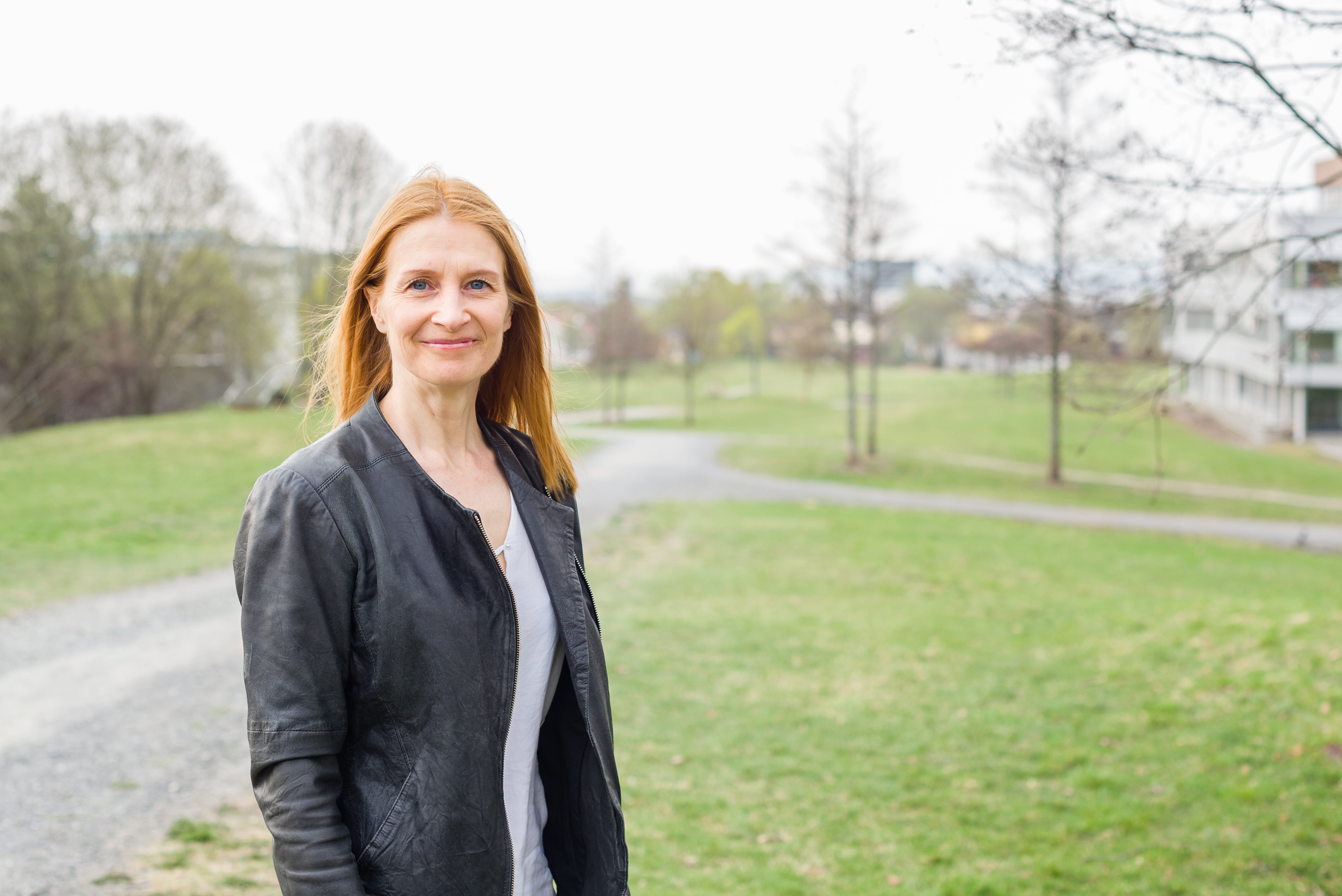
The Nordic EMBL Partnership for Molecular Medicine has appointed Janna Saarela as its new Speaker, effective January 2026. Janna Saarela is the Director of the Norwegian Centre for Molecular Biosciences and Medicine (NCMBM) and succeeds Oliver Billker from the Laboratory for Molecular Infection Medicine Sweden (MIMS) in representing the Partnership internationally.
As she takes on her new role, we spoke with Janna about her vision for the Partnership, the value of the EMBL model, and the opportunities she sees for strengthening collaboration across the Nordic nodes.
You take on the role of Speaker at a time when the Nordic EMBL Partnership is well established. What does the role mean to you?
I am pleased to take on the role of Speaker of the Nordic EMBL Partnership. This network represents something quite special: a shared commitment across the Nordic countries to scientific excellence, openness, and collaboration, anchored in the EMBL model.
For me, the role is about listening as much as speaking. Each node has its own strengths, national context, and priorities, and the Speaker’s task is to represent those collective interests while helping articulate a shared direction. I see the Speaker as a facilitator, someone who helps create alignment, visibility, and momentum for joint initiatives, while ensuring that the Partnership continues to serve its scientific community.
What do you see as the key strengths of the Nordic EMBL Partnership today?
One of our greatest strengths is diversity, be it scientific, cultural, and structural. Across the four nodes, we cover a remarkable breadth of molecular medicine, from neuroscience and infection biology to cancer, genomics, and data-driven research. This diversity facilitates interdisciplinary collaboration.
Another key strength is our people. The EMBL-inspired model, with its focus on early independence, international recruitment, and turnover of group leaders, attracts outstanding talent. The Nordic environment, combined with EMBL’s global reach, creates an ecosystem where researchers can take risks, develop ambitious ideas, and connect across borders.
Finally, the Partnership benefits enormously from the strong societal infrastructure in the Nordic countries with its access to healthcare systems and registries, in particular.
How do you see the collaboration between the Nordic nodes and EMBL developing in the coming years?
I believe there is significant potential to deepen the Partnership’s role as a bridge between EMBL’s basic research excellence and translational molecular medicine. The Nordic nodes are well positioned to translate new technologies, methods, and discoveries into biomedical applications.
Looking ahead, I would like to see more structured opportunities for mobility, joint training, and shared recruitment, particularly for early-career researchers. Strengthening these connections will not only benefit individual scientists but also reinforce the Partnership as a coherent, visible entity within the broader EMBL ecosystem.
What will be your priorities as Speaker?
My priorities will be to strengthen cohesion across the Partnership, increase its international visibility, and ensure that our activities align with both EMBL’s strategic direction and national priorities. I want to actively promote EMBL opportunities, so they are visible and accessible to researchers in each country, not only within the Partnership nodes but also beyond them.
I am particularly keen to support initiatives that connect early career researchers across nodes and to highlight the Partnership’s collective impact in addressing societal challenges through molecular medicine.
Ultimately, the success of the Partnership depends on active engagement from its community. As Speaker, I hope to help create the frameworks and opportunities that allow that engagement to flourish.